The Maillard Reaction Explained
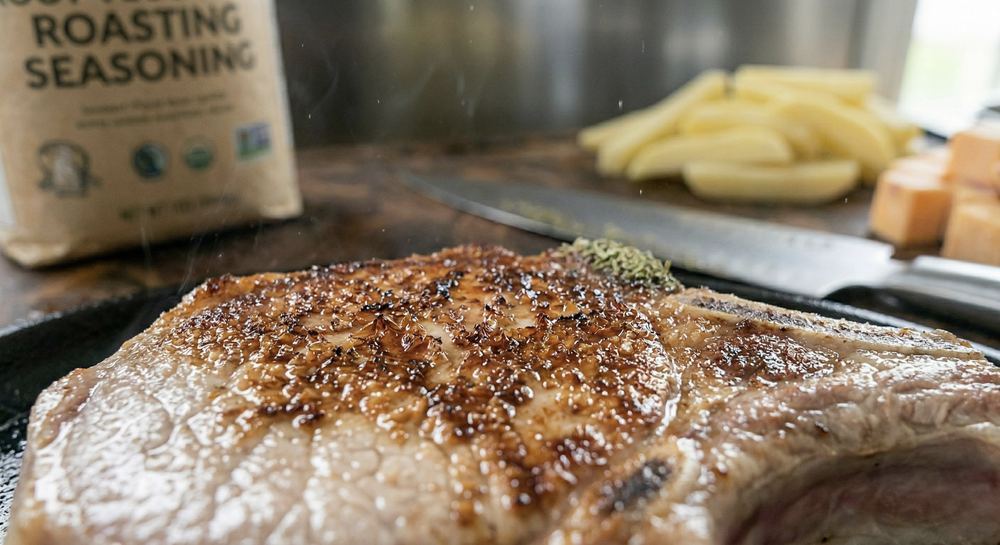
Tested in a Real Home Kitchen
The science explained here is based on established food science principles and tested against real cooking results. Where theory and practice diverge, we note it.
The Maillard reaction is the reason seared steak tastes different from boiled steak, toasted bread tastes different from soft bread, and roasted coffee tastes different from green coffee. It's the same chemical reaction producing all of those results — and understanding it is probably the highest-leverage piece of cooking knowledge you can have.
Once you understand it, you'll know why your pan temperature matters, why wet food doesn't brown, and why some methods produce dramatically better flavor than others.
What Actually Happens at 280°F
The Maillard reaction is a chemical reaction between amino acids (from protein) and reducing sugars, triggered when the surface temperature exceeds approximately 280°F (138°C). Above this threshold, these two compounds react to produce hundreds of new flavor compounds — along with the brown color you see on a properly seared crust.
It is not caramelization. Caramelization is the thermal decomposition of sugars alone and begins at different temperatures depending on the sugar type (fructose at 230°F, sucrose at 338°F). Caramelization produces sweet, nutty flavors. Maillard reaction produces savory, complex, roasted flavors. Both happen simultaneously when you sear meat — but they're chemically distinct.
The reaction accelerates exponentially with temperature. A pan at 400°F produces dramatically more browning in the same time as a pan at 350°F. This is why pan temperature matters so much for searing — you're not just cooking food, you're running a chemistry reaction that needs a minimum threshold to start and an optimal temperature range to produce the best results.
Pro Tips
- Season in layers throughout cooking — not just at the end.
- Taste everything before it leaves the pan — you cannot fix under-seasoning on the plate.
- A clean, organized station before you start cooking prevents mistakes during cooking.
- Let pans preheat properly — most cooking problems start with insufficient heat at the beginning.
- Dry all proteins before cooking — surface moisture prevents browning and causes sticking.
The Experiment That Made This Click
I ran a simple test: two identical chicken breasts, cooked in the same pan at different surface temperatures (measured with an infrared thermometer). Pan A was at 350°F. Pan B was at 425°F. Same oil, same timing, same starting temperature for the chicken.
After 4 minutes, Pan A produced a golden-brown breast. Pan B produced a deeply browned breast with significantly more flavor compound development. When I tasted both, the difference was not subtle — Pan B tasted like restaurant chicken. Pan A tasted like home-cooked chicken. The only variable was 75°F of pan surface temperature.
The bigger realization: I had been cooking at 'medium-high' for years without knowing what temperature that actually meant on my specific stove. Getting an infrared thermometer and learning what my burner settings actually produce changed my cooking more than any single technique.
Step-by-Step
- 1
What the Maillard Reaction Actually Is
The Maillard reaction is a chemical reaction between amino acids (the building blocks of proteins) and reducing sugars, triggered by heat above approximately 280 degrees F. It produces hundreds of new flavor compounds and the characteristic brown color you see on seared steak, roasted coffee, toasted bread, and caramelized onions. It is not caramelization — caramelization is the browning of sugars alone. The Maillard reaction requires both protein and sugar.
- 2
Why Surface Moisture Is the Enemy
Water evaporates at 212 degrees F. Until all surface moisture has evaporated, the surface of your food cannot exceed 212 degrees F — regardless of how hot your pan is. The Maillard reaction requires a minimum of 280 degrees F. This is why patting protein dry before cooking is non-negotiable: any moisture on the surface must first be evaporated before browning can begin. A wet surface essentially boils before it sears.
- 3
Temperature Drives the Reaction — More Is More, Within a Range
The Maillard reaction accelerates exponentially with temperature. A pan at 350 degrees F will produce noticeably less browning than a pan at 450 degrees F in the same amount of time. This is why cast iron on high heat produces better crusts than nonstick on medium heat. However, above approximately 500 degrees F, browning gives way to carbonization — the flavor compounds shift from complex and savory to bitter and acrid.
- 4
Maillard Reaction vs Caramelization
Caramelization begins at different temperatures for different sugars and produces sweet, nutty flavors through thermal decomposition of sugars alone. The Maillard reaction produces savory, complex flavors through protein-sugar interaction. On a searing steak, both reactions happen simultaneously — Maillard on the protein-dominant muscle tissue, caramelization on any surface sugars. Vegetables with higher sugar content show more caramelization and less Maillard browning.
- 5
How to Maximize the Maillard Reaction at Home
Four practical applications: (1) Dry all surfaces before cooking — this is the highest-leverage change. (2) Use a cast iron pan preheated for at least 2 minutes over high heat — thermal mass maintains temperature when cold food hits. (3) Use clarified butter or high-smoke-point oils. (4) Do not crowd the pan — each piece releases moisture that lowers pan temperature. One steak in a 10-inch pan produces a better crust than two steaks crowded together.
Common Mistakes
The most common mistakes with this technique — and why each one produces a bad result:
- Insufficient preheat: Most cooking mistakes begin with a pan that wasn't hot enough when the food went in. Give it 2–3 minutes.
- Not tasting: Tasting throughout is what separates good home cooks from great ones. You can't fix under-seasoning once food is plated.
- Rushing: Almost every cooking technique has a point where you need to wait — for the crust to form, for the sauce to reduce, for the meat to rest. Rushing these stages ruins the result.
- Wrong pan for the job: Nonstick for eggs and delicate fish. cast iron or stainless for searing. Using the wrong pan limits what's possible.
- Skipping mise en place: Setting up your station before you start cooking prevents the scrambling and mistakes that happen when you're looking for an ingredient mid-cook.
How to Maximize Maillard Browning at Home
Three changes that produce immediate results: (1) Pat everything dry before it goes in the pan — surface moisture suppresses browning. (2) Preheat cast iron or stainless for 2.5 minutes on high before adding oil or food. (3) Don't crowd the pan — each piece of wet food drops pan temperature and produces steam. One steak. Two pans if needed. The results are not comparable to crowded-pan cooking.
The Most Misunderstood Part of Browning
Most home cooks think more oil means better browning. It doesn't — excess oil lowers the effective pan temperature by insulating the food from the metal surface. You want the thinnest possible layer of high-smoke-point oil. Just enough to coat the surface of the food and prevent direct metal adhesion. More than that is counterproductive.
Method Comparison
| Method / Type | Key Difference |
|---|---|
| Cast iron | Best for high-heat searing and oven finishing. |
| Stainless steel | Best for sauces and acidic ingredients. |
| Carbon steel | Professional kitchen standard — lighter than cast iron, same heat capacity. |
Step-by-Step: The Maillard Reaction Explained
Pro Tip — Season in Layers, Not All at Once
Professional chefs season food at every stage of cooking: salting aromatics as they sweat, seasoning proteins before cooking, tasting and adjusting sauces as they reduce, and finishing a dish with a final pinch of flaky salt just before serving. Each layer builds depth that end-stage seasoning alone cannot achieve.
Cooking Oil Smoke Points Quick Reference
| Oil Type | Smoke Point (°F) | Smoke Point (°C) | Best Use |
|---|---|---|---|
| Avocado Oil (refined) | 520°F | 271°C | High-heat searing, frying |
| Refined Coconut Oil | 450°F | 232°C | Sautéing, medium-high heat cooking |
| Vegetable Oil | 400–450°F | 205–232°C | General-purpose frying and sautéing |
| Canola Oil | 400°F | 204°C | Baking, general cooking, neutral flavor |
| Olive Oil (extra virgin) | 375°F | 190°C | Dressings, low-medium heat cooking, finishing |
| Butter (whole) | 300–350°F | 150–177°C | Finishing, low-heat cooking, sauces |
| Clarified Butter | 450°F | 232°C | Sautéing, searing — butter flavor at high heat |
Common Mistakes to Avoid
Even experienced cooks make consistent mistakes with this technique. Understanding them upfront saves hours of trial and error:
- Wrong temperature: Cooking at the wrong heat level — usually too low when browning is the goal — is the single most common error.
- Skipping prep steps: Steps like drying the surface, salting in advance, or bringing food to room temperature are easy to skip and dramatically affect the result.
- Guessing instead of measuring: An instant-read thermometer removes all guesswork. Professional kitchens rely on thermometers, not timing, for every protein.
- Rushing the process: Most techniques have non-negotiable waiting periods — rest times, brining windows, reducing steps. Patience is a cooking skill.
Frequently Asked Questions
The Maillard reaction is a chemical reaction between amino acids and reducing sugars above approximately 280°F (140°C). It is responsible for the browning and complex flavors that develop when meat is seared, bread is toasted, or vegetables caramelize.
Deglazing means adding liquid to a hot pan after cooking protein to dissolve the browned bits (fond) stuck to the bottom. The fond is concentrated flavor. Deglazing captures all of it and forms the basis of a pan sauce.
During cooking, heat causes proteins to contract and push moisture toward the center. Resting allows proteins to relax and juices to redistribute. Cutting immediately releases up to 35% more juice onto the cutting board.
Key Takeaways
- Understanding the why behind techniques makes you adaptable, not just recipe-dependent
- Heat control is the foundational skill of all cooking — practice it deliberately
- The Maillard reaction requires dry surfaces and high enough heat — two factors you control
- Seasoning in layers throughout cooking builds depth that final seasoning never can